Quick & Healthy Lunch Box Ideas for Office

Quick & Healthy Lunch Box Ideas for Office

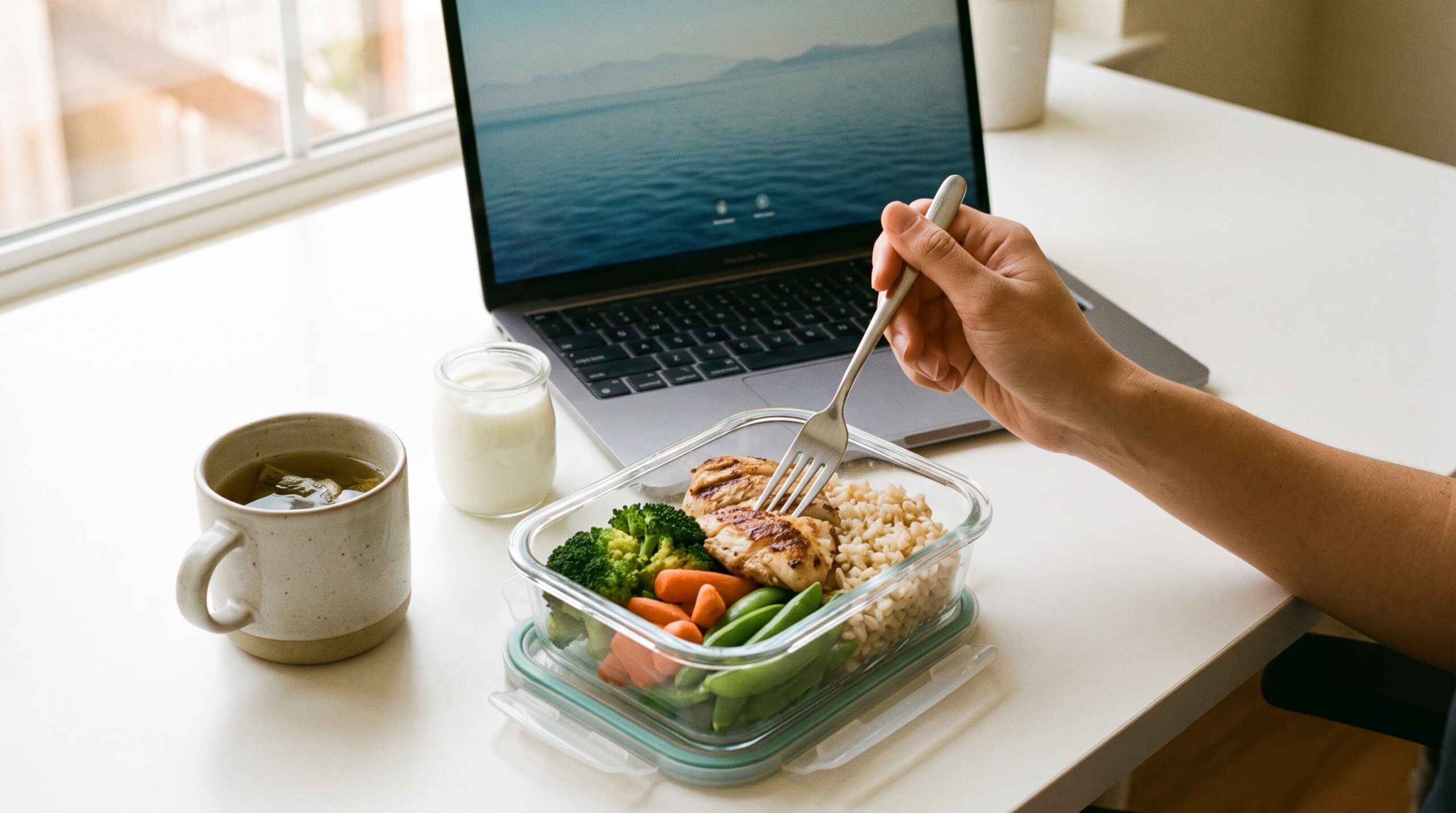
Person eating a healthy packed lunch box with chicken, rice and vegetables at an office desk

It is 1pm. You are at your desk, slightly hungry, and staring at the same three options you have had all week, an overpriced meal from the canteen that leaves you sleepy for the rest of the afternoon, a bag of chips from the vending machine, or just skipping lunch entirely and hoping your coffee carries you to 5pm.

Here is the honest truth: what you eat at lunch has a direct impact on your energy, your focus and your productivity for the entire second half of your day. The solution is a packed lunch that is quick to prepare, genuinely nutritious, and tasty enough that you actually look forward to eating it. Here is everything you need to make that happen.

Why Packing Your Own Lunch Changes Everything

When you pack your own lunch, you control three things that the canteen or restaurant never will: the ingredients, the portions and the nutritional balance. A homemade lunch built around protein, fiber and complex carbohydrates keeps your blood sugar stable throughout the afternoon. That means no energy crash, no desperate need for a sugary snack at 3pm, and sharper focus during your most productive hours.

A heavy, oily lunch spikes your blood sugar and then crashes it, which is exactly why so many people feel foggy and unmotivated between 2pm and 4pm. It also removes a daily decision from your plate. When lunch is already packed, you just eat, recharge and get back to it.

The Formula for a Perfect Office Lunch Box

You do not need a recipe for every single day. You need a formula that you can apply to whatever ingredients you have available:

Protein Source
+
Complex Carb
+
Plenty of Vegetables
+
Healthy Fat
+
Something Fresh
=
Balanced Lunch

Apply this formula to any combination of ingredients and you will consistently build lunch boxes that are balanced, filling and genuinely good for you.

6 Quick and Healthy Lunch Box Ideas

1
Chicken and Brown Rice Bowl
What to include
Cooked brown or multigrain rice
Grilled chicken breast, sliced
Stir-fried peppers, broccoli, carrots
Lemon, olive oil, black pepper
Pumpkin or sunflower seeds
Why it works

Brown rice provides slow-releasing energy that keeps blood sugar stable throughout the afternoon. Chicken breast delivers approximately 30 to 35 grams of protein per serving, enough to keep hunger away for several hours. The seeds add healthy fat and a satisfying crunch that makes the bowl feel complete rather than like a diet meal.

Prep tip: Cook a large batch of brown rice and grill four to five chicken breasts on Sunday evening. Store separately and assemble each morning in under five minutes.

2
Whole Wheat Wrap With Egg and Vegetables
What to include
One whole wheat tortilla or flatbread
Two scrambled or hard-boiled eggs
Cucumber, tomato and lettuce
Thin spread of hummus or yogurt
Black pepper and dried herbs
Why it works

Whole wheat provides fiber and complex carbohydrates. Eggs deliver complete protein with all essential amino acids. Hummus adds healthy fat and a creaminess that eliminates the need for mayonnaise or processed sauces. The vegetables add crunch, hydration and volume without meaningfully increasing calories.

Prep tip: Hard-boil a batch of eggs at the start of the week and keep them in the fridge. Assembling this wrap takes under three minutes in the morning.

3
Lentil Soup With Whole Grain Bread
What to include
Red or green lentil soup with cumin
Whole grain bread or small roll
Sliced cucumber or cherry tomatoes
Small container of plain yogurt
Why it works

Lentils are one of the most nutrient-dense foods available, high in plant-based protein, high in fiber, and deeply satisfying. A bowl of lentil soup keeps you full for three to four hours without the heaviness of a rice or bread-based meal. The yogurt on the side adds probiotics and additional protein.

Prep tip: Make a large pot over the weekend. It keeps for four to five days and reheats in minutes. Pour into a wide-mouth thermos and it stays warm until lunchtime.

4
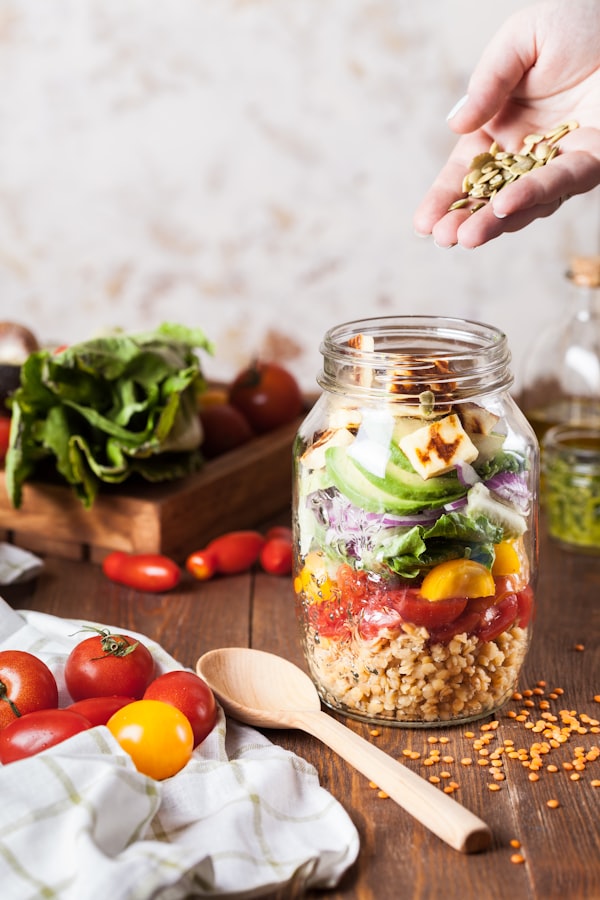
Chickpea and Vegetable Salad
What to include
One cup canned chickpeas, rinsed
Cucumber, cherry tomatoes, red onion
Fresh parsley or coriander
Lemon juice, olive oil, salt, pepper
Optional feta or pumpkin seeds
Why it works

Chickpeas are packed with plant-based protein and fiber, a combination that produces strong, lasting satiety. The raw vegetables add crunch and hydration. The lemon and olive oil dressing is light, fresh and far lower in calories than any bottled dressing. This salad is also genuinely delicious cold, ideal for offices where microwave access might be limited.

Prep tip: Rinse and drain the chickpeas the night before. Chop the vegetables in the morning, it takes four to five minutes. Dress just before eating so everything stays crisp.

5
Brown Rice With Daal and Stir-Fried Greens
What to include
Small portion of cooked brown rice
A ladle of well-seasoned red lentil daal
Stir-fried spinach, kale or green beans
Cucumber slices or simple tomato salad
Why it works

This combination provides complete nutrition, complex carbohydrates from the rice, plant protein and fiber from the lentils, iron and micronutrients from the leafy greens, and freshness from the side salad. It is warming and genuinely comforting without being heavy, which matters when you need to stay sharp for the rest of the afternoon.

Prep tip: The ideal use of Sunday batch cooking. Make a large pot of daal, cook extra rice, and portion both into containers. Reheat together in under two minutes.

6
Boiled Egg and Avocado Box
What to include
Two hard-boiled eggs
Half an avocado, sliced
A handful of cherry tomatoes
A few whole grain crackers
Salt, pepper, squeeze of lemon
Why it works

Eggs and avocado together provide a powerful combination of complete protein and healthy fat, the two macronutrients that most effectively suppress appetite and sustain energy. The cherry tomatoes add lycopene and hydration. The crackers give a satisfying crunch and just enough complex carbohydrate to round out the meal.

Prep tip: Boil eggs in batches on Sunday and keep unpeeled in the fridge, they last the entire week. Slice the avocado fresh each morning, it takes thirty seconds.

Tips to Make Lunch Packing a Sustainable Habit

The ideas above only work if you actually follow through on them. Here is what makes lunch packing stick long term:

  • Batch cook on weekends. Spend 45 to 60 minutes on Sunday cooking grains, proteins and soups. The rest of the week becomes assembly, not cooking
  • Invest in a good quality lunch box. A leak-proof, compartmentalized container makes everything easier and stops meals from becoming a soggy mess by lunchtime
  • Keep your pantry stocked with staples. Canned chickpeas, eggs, lentils, whole grain bread and frozen vegetables mean you can always build a solid lunch
  • Prep the night before, not the morning of. Mornings are chaotic. Five minutes of lunch prep the night before removes all the stress
  • Make slightly more at dinner. Deliberately cooking a larger portion gives you leftovers that become tomorrow's lunch with zero additional effort

Your Lunch Box Quick Start Checklist

  • Follow the formula: protein, carb, veggies, fat, fresh
  • Batch cook grains and proteins once on Sunday
  • Keep pantry staples stocked for zero-cook backup meals
  • Prep the night before to remove morning stress
  • Invest in one good leak-proof lunch box

Final Thoughts

Packing a healthy lunch for the office is not about being disciplined or sacrificing taste. It is about having a simple system that makes the good choice the easy choice.

The formula is straightforward: protein, complex carbohydrates, vegetables, healthy fat and something fresh. Apply that to any of the six ideas above, prep a little on Sunday, and you will spend every workday afternoon more energized, more focused and more in control of what you are eating.

Your lunches are already decided. All that is left is to pack them.
3 Healthy Chicken Karahi Recipes (Low Oil)

3 Healthy Chicken Karahi Recipes (Low Oil)

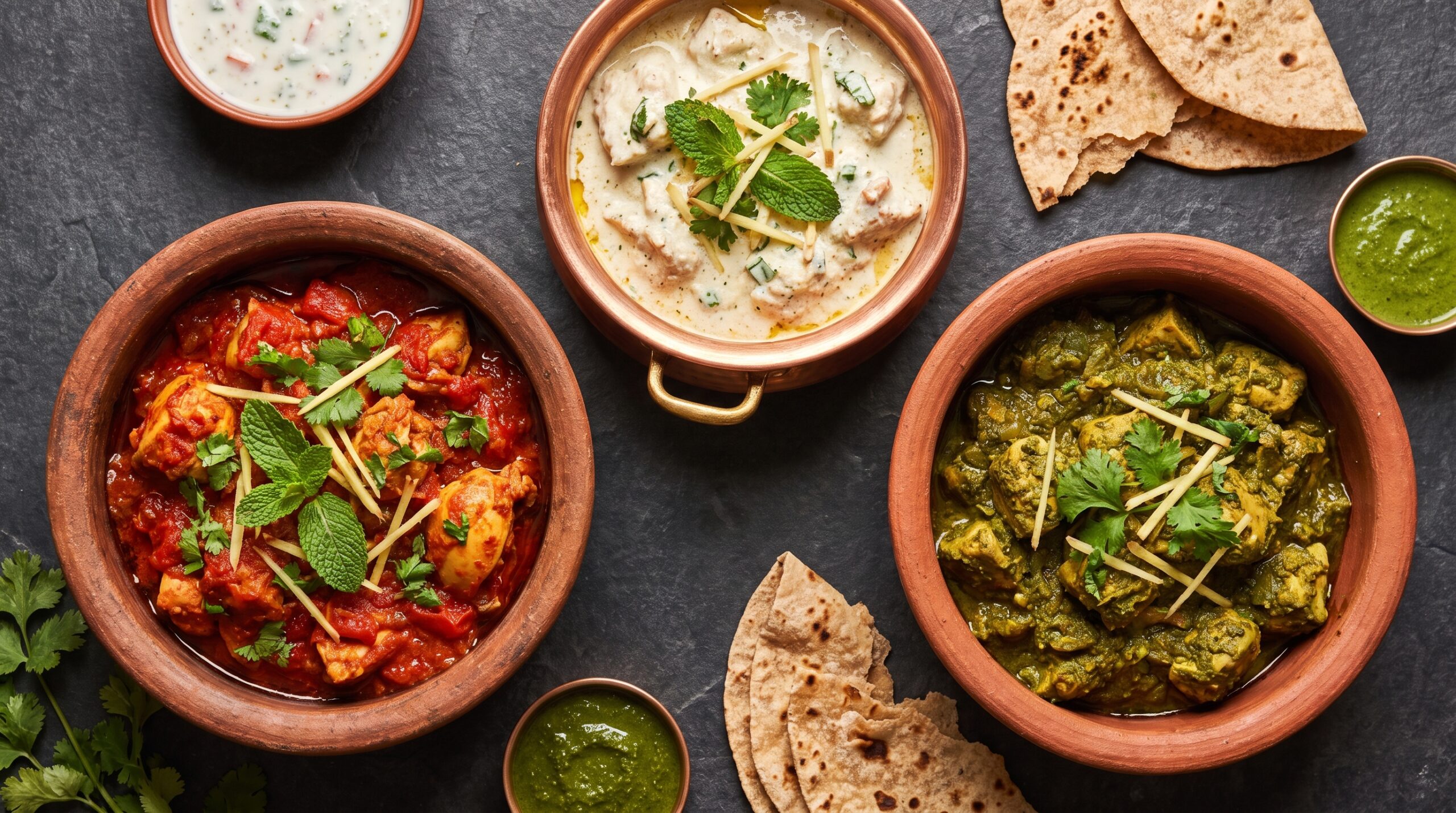
Healthy low oil chicken karahi served with roti and a woman cooking chicken karahi in a wok

Chicken karahi is one of those dishes that feels like home. The smell of tomatoes and ginger hitting a hot pan, the deep warmth of cumin and coriander, the way the masala clings to the chicken, there is really nothing quite like it.

But if you are trying to eat healthier, karahi can feel like the enemy. Here is the truth most people do not realize: the oil in karahi is largely optional. The flavour comes from the tomatoes, ginger, garlic and spices, not from a quarter cup of cooking oil. Here are three versions to prove it.

What Makes a Karahi Healthy Without Ruining the Taste

Traditional karahi uses anywhere from 4 to 6 tablespoons of oil per serving. These recipes use 1 to 2 tablespoons. That is a reduction of 300 to 450 calories per batch just from the oil alone, without touching anything else.

The secret to keeping it flavourful with less oil is technique. You cook the onions and tomatoes longer and on slightly lower heat, allowing them to break down properly and develop depth. You use ginger and garlic generously since they carry enormous flavour. And you finish with fresh coriander, ginger juliennes and a squeeze of lemon, which brightens the whole dish without adding a single calorie.

A non-stick karahi or heavy bottomed pan also helps significantly. You can sauté and cook without food sticking, which means less oil as a functional necessity.

Recipe 1: Classic Tomato Based Chicken Karahi

01
Classic Tomato Based Chicken Karahi (Low Oil)
The karahi most people grew up eating, deep red, rich in tomato, fragrant with whole spices, just made cleaner.
280 to 310Calories
35gProtein
30 minPrep + Cook
500g chicken, bone-in pieces, skin removed
3 large tomatoes, roughly chopped
1 medium onion, finely sliced
1 tbsp ginger garlic paste
1 tsp cumin seeds
1 tsp coriander powder
1/2 tsp turmeric
1 tsp red chili powder, adjust to taste
1/2 tsp garam masala
1.5 tbsp oil, plus salt to taste
  • 1
    Heat 1.5 tablespoons of oil in a non-stick karahi or heavy pan on medium high heat. Add cumin seeds and let them sizzle for 20 seconds.
  • 2
    Add the sliced onion and cook, stirring regularly, for 7 to 8 minutes until deep golden. Properly caramelized onion gives the karahi body and sweetness without needing extra oil.
  • 3
    Add ginger garlic paste and cook for 2 minutes, stirring continuously so it does not catch.
  • 4
    Add turmeric, red chili powder and coriander powder. Stir for 30 seconds.
  • 5
    Add the chopped tomatoes. Cook on medium heat, pressing them down with the back of your spoon, for 10 to 12 minutes until they fully break down into a thick, dark masala. Do not rush this step.
  • 6
    Add the chicken pieces and stir to coat completely. Cover and cook on medium low for 15 to 18 minutes, stirring occasionally, until the chicken is fully cooked and the oil begins to separate from the masala.
  • 7
    Uncover, increase heat to high, and stir fry for 2 to 3 minutes to finish and develop a slightly dry, concentrated masala.

Finish with garam masala, a squeeze of lemon, fresh ginger juliennes, green chilies and coriander. Your family will not know you used less than a third of the oil.

Recipe 2: White Karahi (Dahi Chicken Karahi)

02
White Karahi, Dahi Chicken Karahi, No Tomato
Made with yogurt instead of tomatoes, slightly less common but deeply delicious, with a creamier, tangier flavour profile.
260 to 290Calories
37gProtein
28 minPrep + Cook
500g chicken, bone-in pieces, skin removed
3/4 cup plain yogurt, whisked smooth
1 tbsp ginger garlic paste
1 tsp cumin seeds
1 tsp black pepper, freshly ground
1/2 tsp white pepper, optional
1/2 tsp coriander powder
3 to 4 green chilies, slit lengthways
1.5 tbsp oil, plus salt to taste
  • 1
    Heat oil in a non-stick karahi. Add cumin seeds and slit green chilies and let them sizzle for 30 seconds.
  • 2
    Add ginger garlic paste and cook for 90 seconds on medium heat, stirring continuously.
  • 3
    Add the chicken pieces and cook on high heat for 4 to 5 minutes, turning the pieces, until they develop some colour on the outside.
  • 4
    Reduce heat to medium. Add the whisked yogurt slowly, stirring constantly so it does not split. Add salt, black pepper, white pepper and coriander powder.
  • 5
    Cover and cook on medium low for 15 to 18 minutes until the chicken is fully cooked, stirring occasionally.
  • 6
    Uncover and increase heat to high. Stir fry for 3 to 4 minutes until the masala thickens and clings to the chicken.

Finish with fresh ginger juliennes, coriander and a small knob of butter if using. The freshly ground black pepper is essential here, it is what gives white karahi its distinctive warmth and depth.

Recipe 3: Roasted Green Masala Chicken Karahi

03
Roasted Green Masala Chicken Karahi
Made with fresh herbs and chilies rather than tomatoes or yogurt, lighter, brighter and completely different in flavour.
250 to 275Calories
36gProtein
30 minPrep + Cook
500g chicken, boneless cubes or bone-in pieces
1 tbsp ginger garlic paste, plus 1 tbsp oil
1 cup fresh coriander, packed, for the masala
4 to 5 green chilies, adjust to heat preference
6 to 7 fresh mint leaves, juice of half a lemon
2 tbsp plain yogurt, 1/2 tsp cumin powder
1 tsp cumin seeds, for tempering
2 to 3 dried red chilies, a few curry leaves
  • 1
    Blend all green masala ingredients together into a smooth paste. Set aside.
  • 2
    Heat oil in a non-stick karahi on medium high. Add cumin seeds, dried red chilies and curry leaves and let them sizzle for 20 seconds.
  • 3
    Add ginger garlic paste and cook for 1 minute.
  • 4
    Add the chicken and cook on high heat for 5 to 6 minutes, turning pieces regularly until lightly browned on the outside.
  • 5
    Pour the green masala over the chicken. Stir well to coat completely.
  • 6
    Cover and cook on medium low for 14 to 16 minutes until the chicken is fully cooked, stirring occasionally.
  • 7
    Uncover, increase heat, and stir fry for 3 to 4 minutes until the masala is thick and clinging to the chicken, not watery.

Finish with a squeeze of fresh lemon and extra coriander leaves. It works particularly well with naan or whole wheat roti, and it is a brilliant choice if you want something that feels light but tastes bold.

Tips to Make Any Chicken Karahi Healthier

Beyond these specific recipes, a few habits make every karahi you ever cook a little cleaner:

  • Remove the skin from chicken before cooking. Chicken skin is where most of the saturated fat lives, removing it reduces calories significantly without affecting flavour
  • Use a non-stick or cast iron pan. You need far less oil when food does not stick to the surface
  • Measure your oil. Using a tablespoon instead of pouring from the bottle cuts most people's oil use in half instantly
  • Cook the masala longer. A well developed masala needs less oil to taste rich because the ingredients themselves provide depth
  • Add a tablespoon of water if the masala starts to stick. A splash of water loosens the masala without adding calories
  • Finish with lemon and fresh herbs. These brighten flavour and make a lighter dish taste just as satisfying as a heavier one

How to Serve Karahi for Weight Loss

The karahi itself is not the problem, it is often what is served alongside it. A portion of chicken karahi with one whole wheat roti is a perfectly balanced, high protein meal. Add a side of cucumber raita and a small salad, and you have built a dinner that is genuinely nutritious without feeling like a sacrifice.

Where things go sideways is when karahi becomes three rotis with butter, followed by a bowl of white rice on the side. The dish did not fail you, the portion structure did.

Keep the karahi generous and the accompaniments controlled:

  • One whole wheat roti instead of two or three plain ones
  • Raita on the side instead of extra curry
  • A fresh salad to add volume without calories
  • Brown rice in a small portion if you want rice

Your Healthy Karahi Quick Start Checklist

  • Cut oil down to 1 to 2 tablespoons per batch
  • Remove chicken skin and use a non-stick pan
  • Cook onions and tomatoes low and slow for real depth
  • Finish with lemon, fresh herbs and ginger juliennes
  • Serve with one roti, raita and a fresh salad

Final Thoughts

A healthy chicken karahi recipe is not about compromising on flavour. It is about understanding which parts of the recipe are doing the actual work, and the oil was never the hero.

The tomatoes, ginger, garlic and spices are what make karahi taste like karahi. Use them generously, cut the oil down, cook with patience, and finish with fresh herbs and lemon. Do that, and you will make a karahi that tastes incredible and fits comfortably into a healthier lifestyle.

Pick one of these three recipes tonight and prove it to yourself.

High-Protein Desi Dinner Ideas for Weight Loss

High-Protein Desi Dinner Ideas for Weight Loss | HealthFitnessDairy

High-Protein Desi Dinner Ideas for Weight Loss

High-Protein Desi Dinner Ideas

You have had a long day. You are tired. The last thing you want is to stand in the kitchen for an hour cooking something complicated, but you also do not want to undo all your progress with a heavy, oily dinner.

The truth is, desi cuisine is actually packed with high-protein ingredients. Lentils, legumes, eggs, chicken, paneer, yogurt, these are the foundations of the food you already love. You do not need to abandon your cuisine to reach your goals. You just need to know how to put it together smartly.

Why Protein Matters So Much at Dinner

Protein is the most satiating macronutrient. It keeps you full longer than carbs or fat, which means you are far less likely to raid the kitchen at 10pm for something sweet. It also has a high thermic effect, your body burns more calories digesting protein than it does processing carbohydrates or fat.

Keeps You Full Longer

High-protein meals suppress hunger hormones more effectively than carb or fat-heavy meals, meaning fewer late-night cravings.

Overnight Muscle Repair

While you sleep, your body repairs tissues and regulates hormones. Adequate protein at dinner gives it the raw material it needs.

Higher Resting Metabolism

More muscle mass means more calories burned at rest. Protein at dinner is an investment in your metabolism over time.

Burns More to Digest

Protein has a thermic effect of 20 to 30%, your body burns significantly more energy processing it than carbs or fat.

The 5 Recipes

01

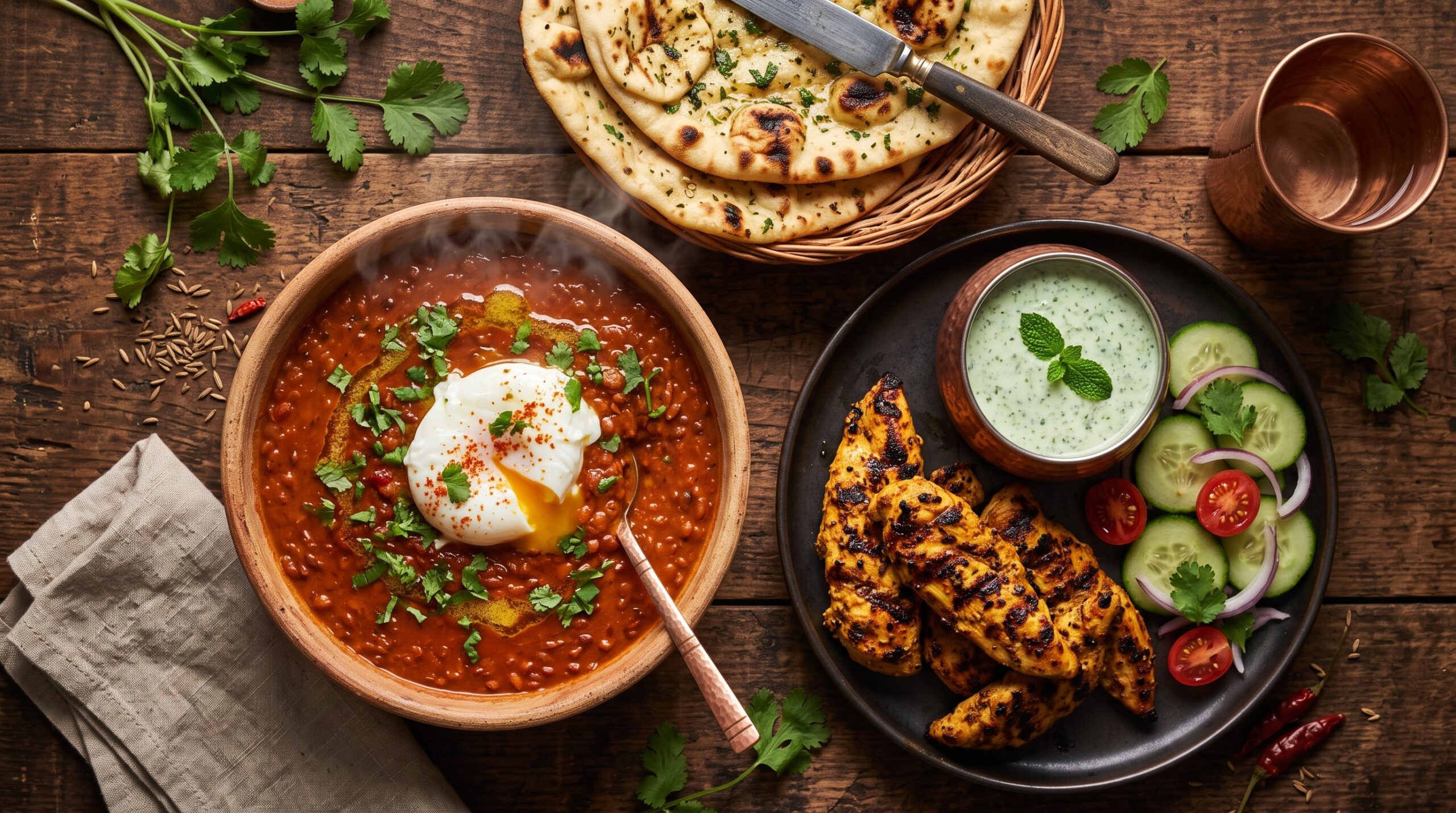
Masoor Dal with Spinach and a Poached Egg

Protein: Approx. 22 to 25g per serving
High Protein

This is one of those meals that sounds simple but hits every nutritional target beautifully. Masoor dal (red lentils) is naturally high in protein and fiber. Add spinach for iron and micronutrients. Top it with a poached or soft-boiled egg and you have a complete, satisfying dinner that comes together in under 20 minutes.

Ingredients
  • 3/4 cup masoor dal, rinsed
  • 2 cups water
  • 1 large handful of fresh spinach
  • 1 to 2 eggs
  • 1 small onion, finely chopped
  • 2 garlic cloves, minced
  • 1 tsp cumin seeds
  • 1/2 tsp turmeric
  • 1/2 tsp red chili powder
  • 1 tbsp oil, salt to taste
How to Make It
  • 1Boil the dal in water with turmeric until soft, about 12 to 14 minutes.
  • 2In a separate pan, heat oil, sizzle cumin seeds, then saute onion and garlic until golden.
  • 3Add chili powder, stir for 30 seconds, then pour the tadka into the cooked dal.
  • 4Stir in the spinach and simmer 3 to 4 minutes until wilted. Season with salt.
  • 5Poach or soft-boil your eggs separately and place on top to serve.
Serving tip: Serve without roti if you want to keep it very light, or with one small whole wheat roti if you need something more substantial. The combination of lentil protein and egg protein makes this one of the most complete high-protein desi dinners you can make.
02

Tandoori Chicken with Raita and Salad

Protein: Approx. 38 to 42g per serving
High Protein

Chicken breast is one of the leanest, highest-protein foods available. When marinated in yogurt and spices and cooked on a hot pan, it tastes genuinely spectacular. This is the dinner you make when you want something that feels indulgent but is actually doing everything right nutritionally.

Ingredients
  • 1 large chicken breast (or 2 smaller), cut into strips
  • 1/2 cup plain yogurt
  • 1 tbsp ginger-garlic paste
  • 1 tsp red chili powder
  • 1/2 tsp turmeric, 1 tsp garam masala
  • 1 tsp cumin powder
  • Juice of half a lemon
  • 1 tsp oil, salt to taste
  • Raita: 1/2 cup yogurt, 1/4 cucumber grated, pinch of cumin, salt
How to Make It
  • 1Mix all marinade ingredients and coat the chicken strips. Let sit for at least 15 minutes, or marinate overnight in the fridge for deeper flavour.
  • 2Heat a pan with one teaspoon of oil on medium-high. Cook the chicken 5 to 6 minutes per side until cooked through and slightly charred at the edges.
  • 3Mix the raita ingredients together in a small bowl.
  • 4Serve the chicken over a bed of sliced cucumber, tomato, and onion. Add the raita on the side.
Serving tip: This dinner needs no roti or rice to feel complete. The protein from the chicken, combined with the probiotics in the raita and the fiber from the salad, makes it one of the most balanced high-protein desi dinner options available.
03

Chana and Vegetable Curry (No Oil Frying)

Protein: Approx. 18 to 20g per serving
High Protein

Chickpeas are a plant-based protein powerhouse, and they absorb spices brilliantly, which makes them the perfect base for a satisfying, high-protein desi dinner that is completely meat-free.

Ingredients
  • 1 cup boiled chickpeas (canned is fine, rinse well)
  • 1 medium onion, finely chopped
  • 2 medium tomatoes, chopped
  • 1 tbsp ginger-garlic paste
  • 1 tsp cumin seeds
  • 1 tsp coriander powder
  • 1/2 tsp turmeric, 1/2 tsp red chili powder
  • 1/2 tsp garam masala
  • 1 tbsp oil, fresh coriander, salt
How to Make It
  • 1Heat oil in a pan. Sizzle cumin seeds, then add onion and cook until deep golden, about 8 minutes. Do not rush this step; well-cooked onion is what gives the curry its depth.
  • 2Add ginger-garlic paste, cook for 2 minutes. Add all dry spices and stir for 30 seconds.
  • 3Add tomatoes, cook until they break down completely into a thick masala, about 6 to 7 minutes.
  • 4Add chickpeas, stir to coat, and add a splash of water if needed. Simmer 8 to 10 minutes.
  • 5Finish with garam masala and fresh coriander.
Serving tip: Serve with one small whole wheat roti or eat as-is for a lighter meal. Chickpeas are also high in fiber, which means this dinner will keep you full for hours.
04

Keema (Minced Chicken) with Peas

Protein: Approx. 32 to 35g per serving
High Protein

Minced chicken is an underrated protein source in desi cooking. It cooks fast, absorbs spices deeply, and delivers a huge protein hit per serving. Paired with green peas, which add a surprising amount of protein themselves, this becomes a quick, hearty dinner that feels completely satisfying.

Ingredients
  • 250g minced chicken (keema)
  • 1/2 cup green peas (fresh or frozen)
  • 1 medium onion, finely chopped
  • 2 garlic cloves and 1-inch ginger, minced
  • 2 tomatoes, chopped
  • 1 tsp cumin seeds, 1 tsp coriander powder
  • 1/2 tsp turmeric, 1/2 tsp red chili powder
  • 1/2 tsp garam masala
  • 1 tbsp oil, salt and fresh coriander
How to Make It
  • 1Heat oil, add cumin seeds and let them sizzle.
  • 2Add onion and cook until golden, then add ginger and garlic for another 2 minutes.
  • 3Add tomatoes and all spices. Cook until the tomatoes fully break down.
  • 4Add the minced chicken, breaking it up as it cooks. Stir continuously for 5 to 6 minutes until fully cooked and no pink remains.
  • 5Add peas, stir through, and cook for another 4 to 5 minutes. Finish with garam masala and fresh coriander.
Serving tip: Pairs beautifully with one small whole wheat roti, or serve with a side salad for an even lighter option. Use lean minced chicken rather than beef or lamb, you keep all the flavour with far fewer calories and saturated fat.
05

Paneer Bhurji with Sauteed Vegetables

Protein: Approx. 20 to 24g per serving
High Protein

Paneer bhurji is essentially scrambled paneer, and it is one of the fastest, most protein-rich vegetarian dinners in desi cuisine. Unlike a heavy paneer curry swimming in cream and butter, this version uses minimal oil and loads of vegetables to create something light, flavourful, and deeply satisfying.

Ingredients
  • 200g paneer, crumbled
  • 1/2 cup mixed vegetables (capsicum, peas, tomato, onion)
  • 1/2 tsp cumin seeds
  • 1/4 tsp turmeric, 1/4 tsp red chili powder
  • 1/4 tsp garam masala
  • 1 tsp oil, salt to taste
  • Fresh coriander and a squeeze of lemon to finish
How to Make It
  • 1Heat oil in a non-stick pan. Add cumin seeds and let them sizzle.
  • 2Add the mixed vegetables and saute on medium-high heat for 4 to 5 minutes until softened.
  • 3Add turmeric and chili powder, stir briefly.
  • 4Add the crumbled paneer and fold everything together gently. Cook for 3 to 4 minutes until the paneer is heated through and starting to catch some colour on the edges.
  • 5Finish with garam masala, fresh coriander, and a squeeze of lemon.
Serving tip: Serve on its own or with one small roti. The paneer provides a solid protein hit, and the vegetables add fiber and volume that makes the dish feel much larger than its calorie count suggests.

Tips for Making Every Desi Dinner More Protein-Rich

Beyond specific recipes, a few habits make any desi dinner more protein-forward:

  • Add a boiled egg on the side of any dal or sabzi, it costs almost nothing and adds 6 to 7g of complete protein instantly.

  • Swap white rice for a smaller portion of brown rice, it has slightly more protein and far more fiber.

  • Stir Greek yogurt into your daal instead of cream, richer texture, way more protein, fewer calories.

  • Use canned chickpeas or kidney beans as a fast add-in to any curry that needs more substance.

  • Season with ajwain (carom seeds) alongside your usual spices, it aids digestion, which matters when eating higher protein meals consistently.

Building a High-Protein Desi Dinner Rotation

You do not need a new recipe every single night. Pick three or four from this list and rotate them through the week:

DayDinnerProtein
MondayMasoor Dal with Spinach and Egg22 to 25g
TuesdayTandoori Chicken with Raita and Salad38 to 42g
WednesdayChana and Vegetable Curry18 to 20g
ThursdayKeema with Peas32 to 35g
FridayPaneer Bhurji with Vegetables20 to 24g
WeekendMix and match, or try a new variation 

Every one of these dinners is under 30 minutes, uses ingredients most desi kitchens already stock, and delivers the protein your body needs to support fat loss, muscle maintenance, and a genuinely restful night of recovery.

Final Thoughts

High-protein eating does not mean giving up the flavours you love. It means understanding which ingredients in your cuisine are already doing the heavy lifting, and building your meals around them more deliberately.

Dal, chicken, eggs, paneer, chickpeas, these are not diet foods. They are the real foundations of desi cooking. Put them front and centre on your plate at dinner, keep the oil measured rather than generous, and load up on vegetables alongside them.

Do that consistently, and the results will follow, without a single meal that feels like a punishment.

5 Healthy Desi Breakfasts Under 300 Calories

5 Healthy Desi Breakfasts Under 300 Calories – HealthFitnessDairy

5 Healthy Desi Breakfasts Under 300 Calories

5 Healthy Desi Breakfasts Under 300 Calories

Most mornings go one of two ways. Either you are rushing out the door with nothing but a cup of chai in hand, or you sit down to a paratha dripping in ghee because that is just what breakfast has always looked like.

Neither one is doing you any favors. Skipping breakfast leaves you starving and snacky by 11am. And the classic heavy, fried desi breakfast while delicious can leave you sluggish before the day even starts. Here is the part that might surprise you: you do not have to choose between flavor and a lighter breakfast. Desi cuisine has some genuinely fantastic options that are quick, satisfying, under 300 calories, and still taste like home.

Why Breakfast Choice Matters So Much

Before we get to the recipes, it is worth understanding why breakfast deserves this much attention in the first place. What you eat in the morning sets the tone at a hormonal level for the rest of your day. A breakfast heavy in refined carbs and oil spikes your blood sugar fast, then crashes it just as quickly. That crash is exactly what triggers the 11am hunger pangs and the urge to reach for something sweet.

High Carb Breakfast

Blood sugar spikes fast then crashes. You are hungry again by 10 to 11am and reaching for snacks. Energy dips and focus suffers by midday.

Protein and Fiber Breakfast

Digests slowly, blood sugar stays steady. You stay genuinely full well into the afternoon with consistent energy and better focus all morning.

A breakfast built around protein and fiber digests slowly, keeps your blood sugar steady, and keeps you genuinely full not just for an hour but well into your afternoon. The five recipes below are designed around exactly that principle.

The 5 Recipes

01

Vegetable Besan Chilla

Approx. 220 Calories

Besan chilla is one of the most underrated breakfast options in desi cuisine. It is essentially a savory pancake made from chickpea flour, and it is naturally high in protein and fiber, a rare combination for a breakfast that also tastes incredible.

Ingredients
  • 1/2 cup besan (chickpea flour)
  • 1/4 cup finely chopped onion, tomato and capsicum
  • A pinch of turmeric
  • 1/4 tsp red chili powder
  • Salt to taste
  • Water as needed
  • 1/2 tsp oil for cooking
How to Make It
  • 1Mix the besan with chopped vegetables, turmeric, chili powder and salt in a bowl.
  • 2Slowly add water, whisking until you get a smooth pourable batter.
  • 3Heat a non-stick pan with a few drops of oil. Pour the batter and spread into a thin circle.
  • 4Cook for 2 to 3 minutes on each side until golden and slightly crisp.

Why this works: Chickpea flour is naturally rich in protein and fiber, which means this chilla keeps you fuller for longer than a typical breakfast of similar size. Pair it with a small bowl of yogurt or mint chutney and you have a complete, satisfying meal in under 10 minutes.

02

Vegetable Daliya (Broken Wheat Porridge)

Approx. 250 Calories

If you grew up with daliya, you know it is comfort food in a bowl. The good news is this savory version is both nostalgic and genuinely great for weight management.

Ingredients
  • 1/4 cup daliya (broken wheat), rinsed
  • 1 cup water or vegetable stock
  • 1/4 cup mixed vegetables (carrots, peas, beans)
  • 1/4 tsp cumin seeds
  • A pinch of turmeric
  • Salt to taste
  • 1/2 tsp oil or ghee
How to Make It
  • 1Heat oil in a pan, add cumin seeds and let them sizzle for a few seconds.
  • 2Add the chopped vegetables and saute for 2 to 3 minutes.
  • 3Add the daliya and turmeric, stir for a minute to lightly toast it.
  • 4Pour in the water or stock, add salt, and simmer for 10 to 12 minutes until the daliya is soft and the mixture thickens.

Why this works: Daliya is a fantastic source of fiber and because it is a whole grain it digests slowly. That means stable energy and steady blood sugar all morning with no crash before lunch. It is also incredibly gentle on the stomach.

03

Egg Bhurji with Whole Wheat Toast

Approx. 280 Calories

Egg bhurji is spiced scrambled eggs, and it might be one of the fastest, most protein-packed desi breakfasts you can make. This version keeps the flavor while controlling the oil.

Ingredients
  • 2 eggs
  • 1/4 cup finely chopped onion, tomato and green chili
  • A pinch of turmeric
  • 1/4 tsp red chili powder
  • Salt to taste
  • 1/2 tsp oil
  • 1 slice whole wheat bread, toasted
How to Make It
  • 1Heat oil in a pan. Add onions and saute until soft, then add tomato and green chili, cook for 2 more minutes.
  • 2Add turmeric and chili powder, stir briefly.
  • 3Crack the eggs directly into the pan and scramble everything together over medium heat until fully cooked.
  • 4Season with salt and serve with a slice of toasted whole wheat bread.

Why this works: Eggs are one of the most complete protein sources available. Pairing them with whole wheat toast instead of regular white bread or paratha adds fiber without excessive calories. This breakfast genuinely keeps hunger away for hours, perfect for busy mornings when lunch might be delayed.

04

Moong Dal Cheela with Mint Chutney

Approx. 230 Calories

This is besan chilla's protein-packed cousin, made from yellow moong dal instead of chickpea flour. It is lighter, slightly different in flavor, and equally quick to make if you plan ahead.

Ingredients
  • 1/2 cup yellow moong dal, soaked for at least 2 hours
  • 1 small green chili
  • A small piece of ginger
  • Salt to taste
  • 1/2 tsp oil for cooking
How to Make It
  • 1Drain the soaked moong dal and blend with green chili, ginger, salt and a splash of water until smooth.
  • 2Heat a non-stick pan with a few drops of oil. Pour the batter and spread into a thin circle.
  • 3Cook for 2 to 3 minutes per side until lightly golden.
  • 4Serve with mint chutney or a small side of yogurt.

Why this works: Moong dal is one of the lightest, most easily digestible lentils and it is packed with plant-based protein. This breakfast is especially great if heavier foods tend to leave you feeling sluggish in the morning.

05

Vegetable Poha

Approx. 270 Calories

Poha is a breakfast staple across many South Asian households, and for good reason. It is quick, light and endlessly customizable. The key to keeping it healthy is controlling the oil and loading up on vegetables.

Ingredients
  • 1/2 cup flattened rice (poha), rinsed and drained
  • 1/4 cup chopped onion, peas and carrot
  • 1/4 tsp mustard seeds
  • A few curry leaves (optional)
  • A pinch of turmeric
  • Salt to taste
  • 1/2 tsp oil
  • A squeeze of lemon juice
How to Make It
  • 1Heat oil in a pan, add mustard seeds and curry leaves, let them sizzle for a few seconds.
  • 2Add onions and saute until translucent, then add peas and carrot, cook for 2 to 3 minutes.
  • 3Add turmeric and salt, then gently fold in the rinsed poha.
  • 4Cook for 2 to 3 minutes stirring gently, then finish with a squeeze of fresh lemon juice.

Why this works: Poha is light on the stomach and naturally lower in calories than most rice-based dishes, especially when you go easy on the oil. The vegetables add fiber and volume, making this feel more substantial than its calorie count suggests.

Tips to Keep Your Desi Breakfast Light Without Losing Flavor

A few small adjustments make a big difference across any of these recipes:

  • Use a non-stick pan so you can cut oil down to a teaspoon or less without food sticking
  • Add lemon juice or fresh herbs at the end, they boost flavor without adding any calories
  • Load up on vegetables wherever possible, they add volume, fiber and nutrients for very few extra calories
  • Choose whole grains over refined ones, daliya over maida, whole wheat over white flour
  • Drink a glass of water first thing, it kickstarts digestion and curbs the urge to overeat later

Building a Weekly Breakfast Rotation

You do not need to reinvent breakfast every single day. Pick a few of these and rotate through the week:

DayBreakfastCalories
MondayVegetable Besan Chilla~220 kcal
TuesdayEgg Bhurji with Whole Wheat Toast~280 kcal
WednesdayVegetable Daliya~250 kcal
ThursdayMoong Dal Cheela with Mint Chutney~230 kcal
FridayVegetable Poha~270 kcal

Each one takes 10 to 15 minutes, uses ingredients most desi kitchens already have, and keeps you well under 300 calories without sacrificing the flavors you actually enjoy.

Final Thoughts

A healthy breakfast does not have to mean giving up the food you grew up loving. It just means making a few smart adjustments: less oil, more protein, more vegetables, whole grains over refined ones.

These five recipes prove that desi breakfasts can be quick, light and deeply satisfying all at once. Pick one for tomorrow morning and notice how different your day feels when it starts with a breakfast that actually works in your favor.