
Intermittent Fasting for Beginners: Does It Really Work?

Intermittent Fasting for Beginners: Does It Really Work?

Woman happily eating a balanced breakfast with eggs, avocado and tomatoes during her eating window

Everyone seems to be talking about intermittent fasting. Your colleague lost eight kilograms doing it. A fitness influencer you follow swears by it. And yet you are still on the fence, because every time you have tried to eat less, you have ended up hungrier, more miserable, and eventually eating everything in sight at 11pm.

So the question is reasonable: does intermittent fasting for beginners actually work, or is it just another diet trend dressed up in science-sounding language? The honest answer is that it works very well for some people, moderately for others, and not at all for a few. This article covers exactly why.

What Intermittent Fasting Actually Is

Intermittent fasting is not a diet in the traditional sense. It does not tell you what to eat. It tells you when to eat. The core principle is simple: you cycle between periods of eating and periods of fasting. During the fasting window, you consume no calories, only water, black coffee and plain tea are permitted. During the eating window, you eat normally.

This distinction matters because intermittent fasting is accessible to almost anyone regardless of cuisine or food preferences. You simply shift the hours during which you eat, not what you eat.

The Most Common Intermittent Fasting Methods

There are several approaches, and choosing the right one for your lifestyle is one of the most important decisions a beginner can make.

The 5:2 Method
Normal 5 days, restricted 2 days
Difficulty

Eat normally five days a week and restrict calories to approximately 500 to 600 on two non-consecutive days. Requires more planning than 16:8.

The 24-Hour Fast
Full day fast, once or twice weekly
Difficulty

Fast from dinner one evening to dinner the following evening. A more advanced approach that most beginners find too challenging to start with.

The recommendation for beginners: start with 16:8. Give it four to six weeks before evaluating results or switching methods.

What Happens Inside Your Body When You Fast

Understanding the biology makes the whole concept feel less like deprivation and more like a deliberate physiological strategy.

0 to 10 hrs
Body uses glucose for energy. Insulin is elevated, stored fat stays untouched.
10 to 14 hrs
Glycogen stores deplete, insulin falls, body shifts to burning stored fat, the fasted state.
14 to 16 hrs
Growth hormone production increases, supporting muscle preservation and fat metabolism.

This hormonal shift is one reason intermittent fasting can produce fat loss while preserving lean muscle mass better than simple calorie restriction alone.

Does Intermittent Fasting Actually Cause Weight Loss

Yes, but with an important clarification that is often left out of the conversation. Intermittent fasting causes weight loss primarily by reducing total calorie intake. When your eating window is compressed to eight hours instead of fourteen or sixteen, most people naturally eat less.

Studies comparing intermittent fasting to continuous calorie restriction have found broadly similar weight loss results when total calorie intake is matched. In other words, intermittent fasting is not metabolically magical, it is effective because it is a practical structure that makes eating less easier for many people.

Where intermittent fasting does show unique advantages is in its effects on insulin sensitivity, metabolic health markers and inflammation, benefits that extend beyond weight loss.

The First Week: What to Expect as a Beginner

The first week of intermittent fasting for beginners is typically the hardest. Knowing what to expect prevents most people from giving up prematurely.

Days 1 to 3
The Hardest Part
  • Hunger feels urgent but passes within 20 to 30 minutes
  • Mild headaches, especially if caffeine is also reduced
  • Difficulty concentrating if skipping breakfast
  • Irritability, temporary and resolves by week end
Days 4 to 7
Noticeably Easier
  • Hunger signals begin to adapt to your new schedule
  • Many feel genuinely comfortable waiting until noon
  • Energy levels start to stabilize through the day
  • The fasting window starts to feel routine, not forced

The key insight for getting through the first week: hunger comes in waves and passes. It is simply your digestive system following its previous schedule.

What Should You Eat During Your Eating Window

This is where many beginners make a critical mistake. They complete the fast successfully and then eat enough during the eating window to cancel out any deficit the fasting period created.

Focus on
Eggs, chicken, fish, lentils
Greek yogurt, cottage cheese
Plenty of vegetables
Brown rice, oats, sweet potatoes
Avocado, olive oil, nuts, seeds
Limit
Sugary drinks
Refined carbohydrates
Fried foods
Processed snacks

These can easily create a calorie surplus even within a compressed eating window, which eliminates the weight loss benefit entirely.

Who Should Not Try Intermittent Fasting

Intermittent fasting is not appropriate for everyone, and being honest about this is important. Avoid it or consult a doctor first if you:

  • Are pregnant or breastfeeding
  • Have a history of disordered eating
  • Have type 1 diabetes or are on insulin medication
  • Are underweight or have a nutritional deficiency history
  • Are under 18 years of age
  • Have a medical condition that requires regular food intake

If you experience persistent dizziness, extreme fatigue, heart palpitations or significant disruption to your daily functioning during fasting periods, stop and consult a healthcare professional.

Practical Tips to Make Intermittent Fasting Work

  • Start with a 12-hour fast if 16 hours feels too aggressive. Shift gradually from 8am to 8pm, then 10am to 6pm, then noon to 8pm by week three
  • Stay hydrated during the fasting window, water, plain sparkling water, black coffee and herbal tea are all permitted
  • Break your fast with protein, not carbohydrates, a protein-first meal produces better blood sugar stability
  • Keep your eating window consistent, the same hours each day help your body adapt its hunger signals
  • Do not eat excessively to compensate, the most common mistake. Normal, balanced meals are enough

A Realistic Timeline for Results

Beginners often expect dramatic results within the first week and become discouraged when the scale barely moves. Here is a more accurate timeline:

1

Week One: Adaptation

Hunger management, routine building, and possibly a small drop in water weight.

2

Weeks Two to Four

The fasting window becomes comfortable, energy levels stabilize, and genuine fat loss begins to show.

3

Month Two and Beyond

Consistent progress becomes visible, typically one to two pounds of fat loss per week when managed sensibly.

Your Intermittent Fasting Quick Start Checklist

  • Start with the 16:8 method for at least 4 weeks
  • Drink water, black coffee or tea during your fast
  • Eat protein-focused, balanced meals in your window
  • Push through days 1 to 3, they get easier fast
  • Give it a full month before judging the results

Final Thoughts

Intermittent fasting for beginners works, not because it is magical, but because it is practical. It gives you a clear, simple structure that naturally reduces calorie intake, improves insulin sensitivity, and makes healthy eating decisions easier.

The first week is the hardest. The second week is significantly easier. By week three or four, most beginners find that the eating window feels completely natural and the fasting period requires almost no willpower at all.

Start with 16:8. Drink water during your fasting window. Eat protein-focused, balanced meals when your window opens. Give it a full month before judging whether it is working. The results follow from the consistency.
Benefits of Drinking Water for Weight Loss

Benefits of Drinking Water for Weight Loss

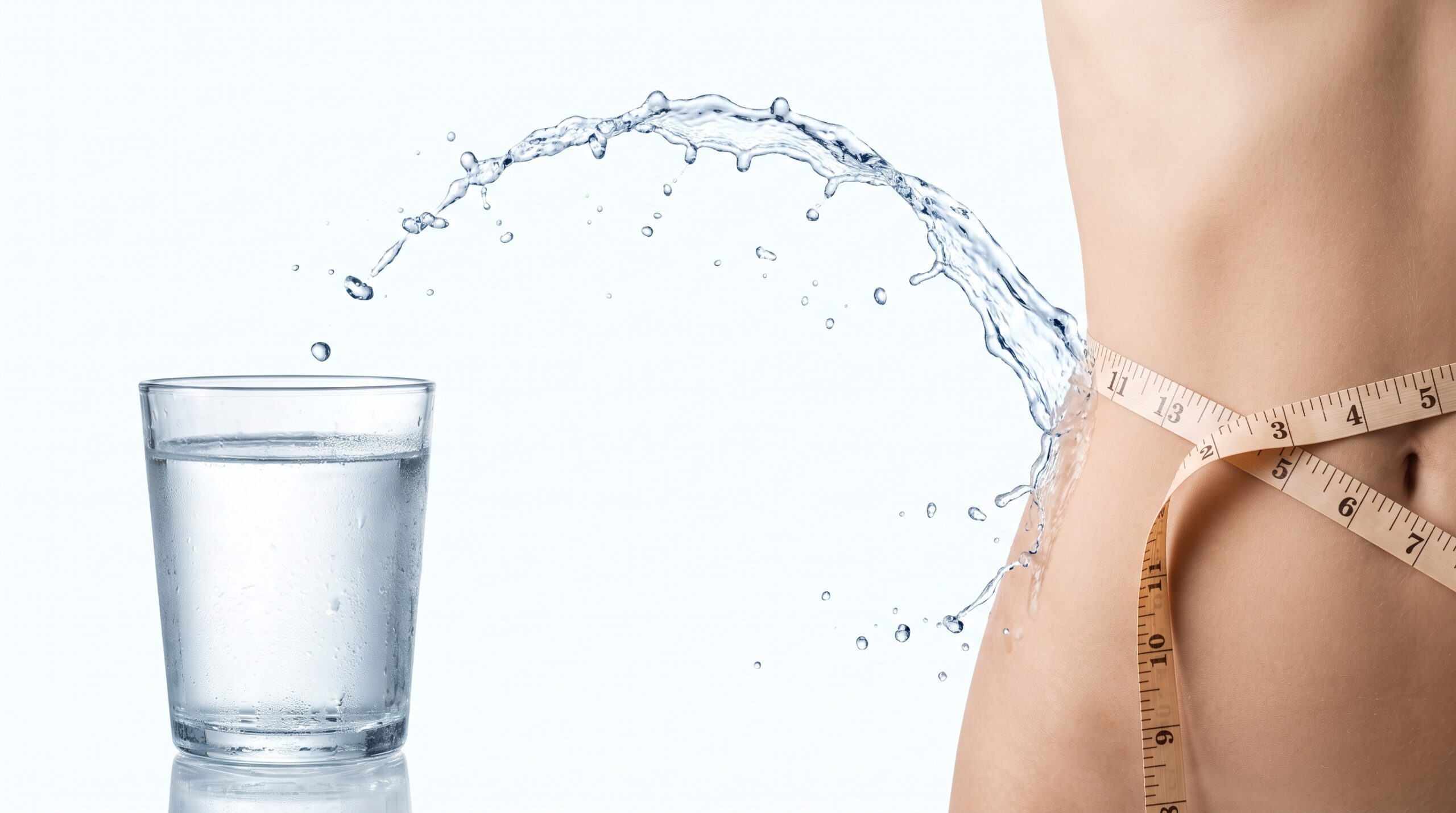
Glass of water splashing toward a woman measuring her waistline with a tape measure

You are doing everything right. You are watching what you eat, cutting back on the obvious things, trying to move more. But the scale is not cooperating the way you expected, and you cannot figure out what you are missing.

Here is a question worth asking: are you drinking enough water? It sounds almost too simple, but the research on this is surprisingly strong, and the mechanism is not mysterious at all once you understand what water actually does inside your body throughout the day.

0 Calories
Every single glass
24 to 30%
Metabolism boost
500ml
30 min before meals
2.5 to 3.5L
Daily target

Water Has Zero Calories, But Does Far More0 kcal per glass

The most obvious benefit of water for weight loss is the one most people already know: it has absolutely no calories. But that alone understates how powerful it actually is.

When you replace calorie-containing drinks such as sodas, packaged juices, sweetened teas and energy drinks with water, you create an immediate caloric deficit without changing a single thing about your food. A standard can of soda contains roughly 140 calories, and a packaged fruit juice can hold 120 calories or more. Two of those per day adds up to nearly 3,000 extra calories per week, almost entirely liquid calories that do nothing to make you feel full.

Switch those out for water consistently, and you have created a meaningful calorie reduction without any willpower around food. That is the first and most straightforward way drinking water for weight loss actually works.

Water Before Meals Reduces How Much You Eat12-week study

Your stomach has physical limits. When there is already volume inside it, the stretch receptors in the stomach wall send satiety signals to your brain faster than they would with an empty stomach. Drinking water before a meal pre-loads your stomach with volume, which means you feel full sooner during the meal itself.

A well-designed study published in the journal Obesity found that adults who drank 500 milliliters of water approximately 30 minutes before each main meal lost significantly more weight over 12 weeks compared to those who did not. They were not dieting more aggressively, they were simply drinking water before eating.

The practical application is straightforward. Drink a full glass of water 20 to 30 minutes before breakfast, lunch and dinner. That single habit, maintained consistently, reduces your total daily calorie intake without any sense of deprivation.

Water Temporarily Boosts Your Metabolism40 to 60 min effect

This is the benefit most people have never heard of, and it is genuinely impressive. Several studies have shown that drinking approximately 500 milliliters of water increases metabolic rate by 24 to 30 percent for about 40 to 60 minutes afterward. This effect is called water induced thermogenesis, your body uses energy to warm the water to body temperature after you drink it, which briefly elevates calorie burning.

This might sound like a small effect, but consider the math: drink 500ml of cold water four times throughout the day, and you generate four brief metabolic boosts. Over weeks and months of consistent hydration, this adds up to a meaningful additional calorie expenditure, without a single extra minute of exercise.

Cold water produces a slightly stronger thermogenic effect than room temperature water because the body has to work harder to bring the temperature up. This does not mean you need to drink ice cold water exclusively, the difference is small, but it is worth knowing.

Dehydration Mimics Hunger and Triggers Eating10 minute rule

This is one of the most underappreciated reasons people overeat, and it directly connects to weight loss. Your brain processes the signals for thirst and hunger in the same region, the hypothalamus. When you are mildly dehydrated, the signals your brain generates can be interpreted as hunger rather than thirst. The result: you eat when your body actually just needed water.

Think about how often you feel a vague craving mid afternoon, not really hungry, but wanting something. That feeling very frequently turns out to be mild dehydration. Drinking a full glass of water and waiting 10 to 15 minutes will often make the craving disappear entirely.

A simple rule that works: whenever you feel an unexpected craving between meals, drink a glass of water first and wait 10 minutes. If the craving is still genuinely there, then eat. A surprising percentage of between-meal cravings simply vanish.

Water Supports Fat Burning at a Cellular LevelHydrolysis

When you are trying to lose weight, your body needs to break down stored fat and convert it into usable energy. This process, called lipolysis, requires water to work properly. The first step of fat metabolism involves a chemical reaction called hydrolysis, where water molecules interact with fat molecules to begin breaking them down. Without adequate water, this process slows. In simple terms, you cannot efficiently burn fat if you are chronically dehydrated.

This is not a dramatic effect that you will feel minute to minute. But it is a consistent, background influence on how effectively your body uses stored fat as fuel. Staying well hydrated keeps the fat burning machinery running at full capacity rather than operating at a deficit.

Water Eliminates Bloating and Water RetentionA few days

Here is one that surprises most people because it seems counterintuitive: drinking more water actually reduces water retention. When your body is chronically under-hydrated, it treats this as a scarcity signal. In response, it holds onto every bit of water it has, storing it in the tissues beneath your skin. This is what causes that puffy, bloated feeling, particularly around the stomach, face and hands, that makes you look and feel heavier than you actually are.

When you start drinking consistently adequate water, your body receives the opposite signal: abundance, not scarcity. It stops hoarding water in the tissues and flushes the excess out through urine. Many people who start drinking enough water notice a visible reduction in bloating within just a few days. The number on the scale can also drop noticeably, not because fat was lost, but because retained water was released.

This also has a significant impact on how you feel day to day. Chronic bloating is uncomfortable and discouraging. Eliminating it makes you feel lighter, more energized and more motivated, all of which support the consistency that weight loss requires.

Water Supports Exercise Performance1 to 2% dehydration hurts

If exercise is part of your weight loss strategy, and it should be even in small amounts, water directly affects how well that exercise goes. Even mild dehydration of just one to two percent of body weight noticeably reduces physical performance. Your cardiovascular system has to work harder, your muscles receive less oxygen, and fatigue sets in earlier. A workout done in a mildly dehydrated state burns fewer calories, feels significantly harder, and takes longer to recover from.

On the other hand, being well hydrated before, during and after exercise means you perform closer to your actual capacity. You can work harder, last longer, and recover faster. Over weeks and months, this compounds into meaningfully better fitness results and greater total calorie expenditure.

Think of hydration as the invisible foundation that makes every workout more effective. It does not get the credit, but it is doing significant work.

Practical Ways to Use Water for Weight Loss

Knowing the benefits is one thing. Actually drinking enough water consistently is another challenge entirely. Here is what works:

01

Start Your Morning Right

Drink a large glass of water first thing every morning, before coffee, before food, before your phone. Your body is mildly dehydrated after sleep, and this immediately corrects that.

02

Drink Before Meals

500ml of water 30 minutes before each main meal specifically helps reduce meal time portions and total calorie intake.

03

Carry a Water Bottle

A one liter bottle everywhere you go. When water is visible, you drink it. When it is out of sight, you forget.

04

Set Hourly Reminders

A gentle hourly nudge on your phone adds up to consistent hydration throughout the day without you having to think about it.

05

Water Before Cravings

Drink a glass of water whenever a craving strikes and wait 10 minutes before deciding whether to eat.

06

Add Natural Flavor

Sliced lemon, cucumber, fresh mint or a few strawberries make water significantly more enjoyable without adding meaningful calories.

07

Eat Water-Rich Foods

Cucumber, watermelon, tomatoes, leafy greens and oranges all contribute to your daily hydration while providing fiber and nutrients.

How Much Water for Weight Loss Specifically

The general formula works here too: 35 milliliters per kilogram of body weight per day as your baseline, adjusted upward for exercise and hot weather. For weight loss purposes specifically, aim for the higher end of your personal range. The benefits, appetite suppression, fat metabolism, reduced bloating and metabolic boost, all become more pronounced when you are genuinely well hydrated rather than just hovering around the minimum.

2.5 to 3.5 Liters
A practical daily target for most adults pursuing weight loss, adjusted for your size and activity level

Your Water for Weight Loss Quick Start Checklist

  • Swap sugary drinks for water to cut calories instantly
  • Drink 500ml about 30 minutes before every main meal
  • Try water first when a craving hits, then wait 10 minutes
  • Stay hydrated before, during and after every workout
  • Aim for 2.5 to 3.5 liters daily, adjusted to your size and activity

Final Thoughts

Drinking water for weight loss is not a gimmick or a shortcut. It is a legitimate, well researched strategy that works through multiple pathways simultaneously, reducing calorie intake, suppressing appetite, boosting metabolism, supporting fat burning, and eliminating bloating.

None of these effects are dramatic on their own. But combined and consistent over weeks and months, they create a meaningful advantage that supports everything else you are doing. And it costs nothing, requires no preparation, has no side effects, and works from the very first glass.

Start with one full glass of water right now, before your next meal, before your next snack, before anything else. That is the beginning of a habit that compounds into real results.

Calorie Deficit 101: How Much Should You Really Eat

Calorie Deficit 101: How Much Should You Really Eat

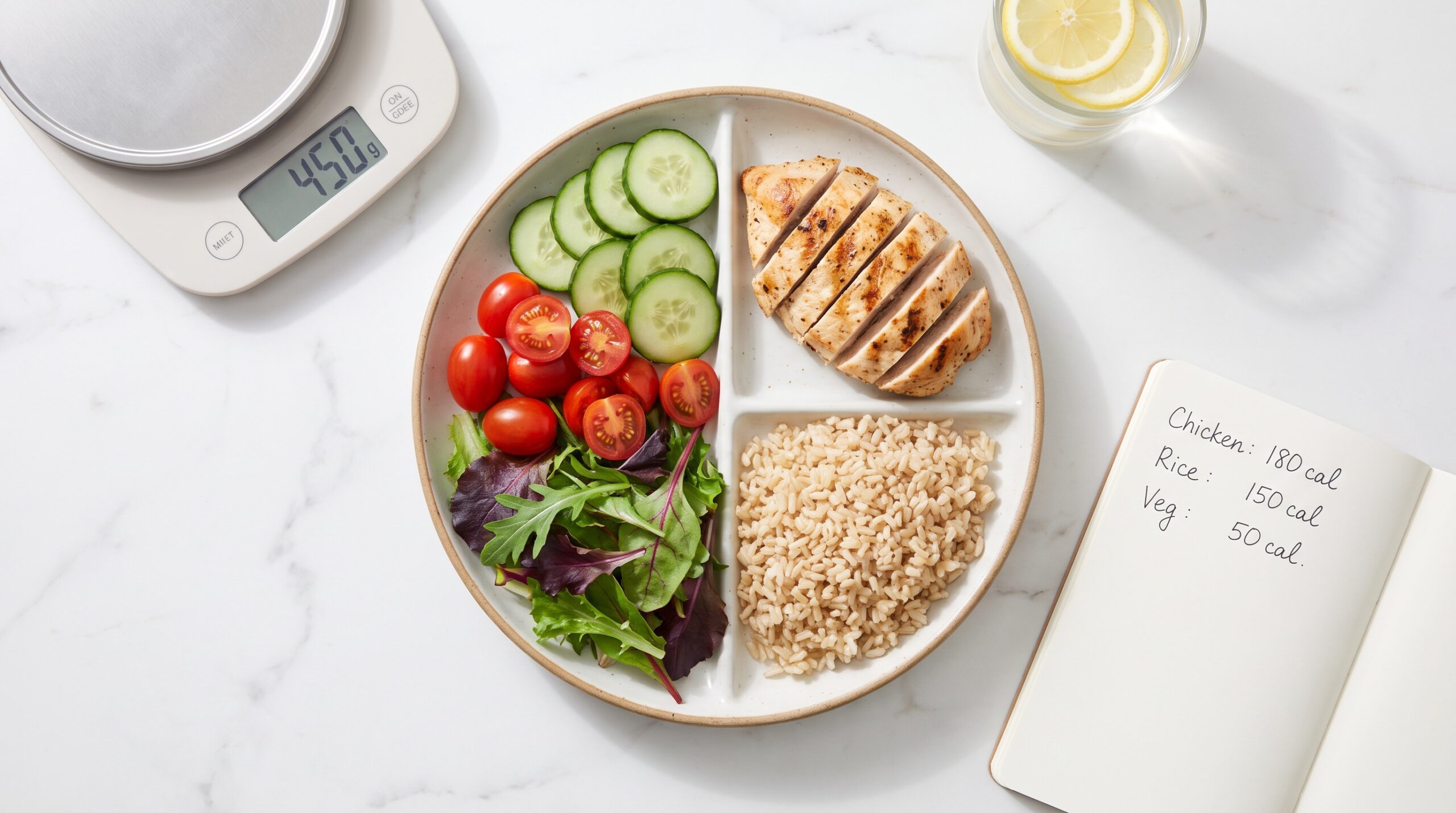
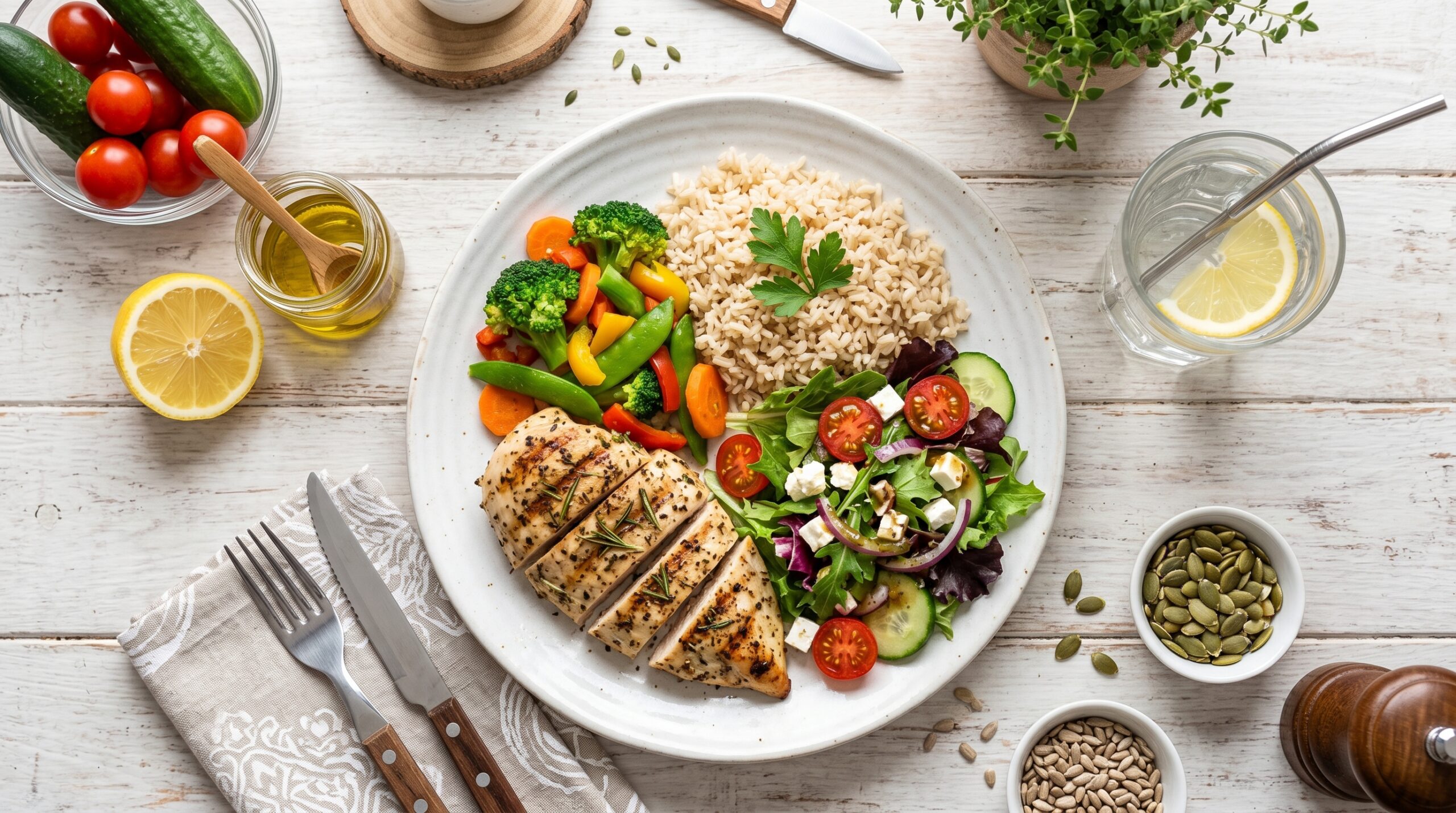
Balanced meal plate with grilled chicken, brown rice and fresh vegetables for calorie deficit weight loss

You have been eating less. You have been trying harder. And the scale still is not moving the way you expected. So you cut more. Eat less. Feel miserable. Still nothing dramatic happens, or worse, you lose a few pounds and then gain them all back within weeks.

Sound familiar? You are not failing at weight loss. You are probably just misunderstanding one of the most fundamental concepts behind it. That concept is the calorie deficit, and once you truly understand how it works, everything else about weight loss starts to make a lot more sense.

What Is a Calorie Deficit, Really

A calorie is simply a unit of energy. Your body needs a certain amount of energy every day just to keep you alive and functioning: breathing, pumping blood, digesting food, regulating temperature, thinking. This is called your Total Daily Energy Expenditure, or TDEE, and it is the total number of calories your body burns in a day.

A calorie deficit happens when you consume fewer calories than your TDEE. Your body still needs that energy, so it dips into stored body fat to make up the difference. That stored fat gets burned for fuel, and that is how you lose weight.

It really is that fundamental. All successful weight loss approaches, low carb, intermittent fasting, clean eating, portion control, work because they all ultimately create a calorie deficit. The method varies. The mechanism does not.

How Many Calories Do You Actually Need

This is where most people get it wrong, because "eat less" without context is meaningless. Less than what? Your TDEE depends on your Basal Metabolic Rate, the calories your body burns at complete rest just to keep your organs functioning, and your activity level, how much you move throughout the day through exercise and general daily movement.

A quick way to estimate your TDEE is to use the Mifflin St Jeor formula:

For Women

BMR = (10 x weight in kg) + (6.25 x height in cm) minus (5 x age) minus 161

For Men

BMR = (10 x weight in kg) + (6.25 x height in cm) minus (5 x age) + 5

Then multiply your BMR by an activity factor:

  • Sedentary, desk job, little movement: x 1.2
  • Lightly active, light exercise 1 to 3 days a week: x 1.375
  • Moderately active, exercise 3 to 5 days a week: x 1.55
  • Very active, hard exercise 6 to 7 days a week: x 1.725

The result is your approximate TDEE, the number of calories you need to maintain your current weight. Let us say that number comes out to 2,000 calories per day. To lose weight, you need to consistently eat below that number. How far below brings us to the most important question of all.

How Big Should Your Calorie Deficit Be

Here is where things get nuanced, and where most diets go dramatically wrong. The commonly accepted rule is that one pound of fat contains approximately 3,500 calories. So to lose one pound per week, you would need a deficit of 500 calories per day. That is the standard starting point, and it works well for most people.

A 300 to 500 calorie daily deficit is considered moderate and sustainable. At this level:

  • You are losing roughly 0.5 to 1 pound per week
  • You are not depriving your body dramatically
  • Energy levels stay reasonable and hunger is manageable
  • Muscle mass is largely preserved

This might sound slow. But 0.5 to 1 pound per week is 25 to 50 pounds over the course of a year. Sustainable, compounding, real progress. The problem comes when people get impatient and go too aggressive.

Why a Massive Calorie Deficit Backfires

Cutting 1,000 plus calories below your TDEE feels like a faster route. And short term, the scale does drop faster, but most of that initial drop is not fat. It is water weight and glycogen loss, which rebounds the moment you eat normally again.

More critically, severe calorie restriction triggers something called metabolic adaptation. Your body is remarkably intelligent. When it senses a dramatic reduction in food intake, it interprets this as a threat, as if food is genuinely scarce. In response, it lowers your metabolic rate to conserve energy. Hormones like leptin drop, reducing your feeling of fullness, ghrelin rises, increasing hunger, and your body starts burning fewer calories to protect itself.

This is why people hit plateaus on crash diets. They are eating very little but not losing anymore, because their body has adapted down to match. The solution is not eating even less. It is eating enough to keep your metabolism functioning while still maintaining a moderate deficit.

A good rule of thumb: never eat below 1,200 calories per day if you are a woman, or 1,500 if you are a man, regardless of how aggressive your weight loss goal is. Below these thresholds, it becomes very difficult to get adequate nutrition, and metabolic damage becomes a real concern.

How to Create a Deficit Without Feeling Starved

This is the practical part, because knowing the theory is one thing, but actually executing it every day is another.

01

Prioritize Protein at Every Meal

Fullness

Protein is the most satiating macronutrient. It keeps you fuller longer than carbs or fat and has a higher thermic effect, meaning your body burns more calories just digesting it. Aim for roughly 1.6 to 2.2 grams per kilogram of body weight daily. For a 70kg person, that is 112 to 154 grams a day.

02

Fill Half Your Plate with Vegetables

Volume

Vegetables are high in volume, high in fiber and genuinely low in calories. A large bowl of salad with greens, cucumber and tomato might be 80 to 120 calories, while the same volume in rice would be 300 to 400 calories.

03

Do Not Drink Your Calories

Hidden Calories

A can of soda is about 140 calories, a sweetened coffee drink can be 250 to 350 calories. Switching most drinks to water, sparkling water or plain tea can create a 200 to 400 calorie daily deficit without changing a single thing you eat.

04

Track Your Food, At Least for a While

Awareness

Research shows the average person underestimates their calorie intake by 20 to 40%. Using an app like MyFitnessPal for 2 to 4 weeks builds a level of awareness that sticks permanently, even after you stop tracking.

What About Exercise, Does It Change the Equation

Yes, but perhaps not as much as you think. Exercise burns additional calories, which can either deepen your deficit or give you a little more room to eat. The challenge is that most people significantly overestimate how many calories exercise burns.

A 30 minute moderate run burns roughly 250 to 300 calories for the average person. That is one small snack, and it is easy to eat those calories back, sometimes unconsciously, because exercise tends to increase appetite.

Exercise is enormously valuable for your health, your mood, your muscle mass and your long term metabolism. But for weight loss specifically, the kitchen is where the deficit is primarily created. Think of exercise as the multiplier, not the foundation.

Practical Calorie Targets to Start With

Here is a simple starting framework based on your estimated TDEE:

GoalCalculation
Lose weight, moderateTDEE minus 300 to 500 calories per day
Lose weight, aggressive but sustainableTDEE minus 500 to 750 calories per day
Maintain current weightEat at TDEE
Build muscle, minimal fat gainTDEE plus 200 to 300 calories per day

For most people beginning their weight loss journey, starting at a 400 calorie daily deficit is a sensible, sustainable entry point. Reassess every 3 to 4 weeks, since your TDEE decreases slightly as you lose weight and your deficit needs to be recalculated periodically to stay on track.

Your Calorie Deficit Quick Start Checklist

  • Calculate your TDEE using the Mifflin St Jeor formula
  • Start with a moderate 300 to 500 calorie daily deficit
  • Prioritize protein and fill half your plate with vegetables
  • Cut liquid calories and track your food for a few weeks
  • Never drop below 1,200 (women) or 1,500 (men) calories a day

Final Thoughts

A calorie deficit for weight loss is not about eating as little as humanly possible. It is about eating slightly less than your body needs, consistently, sustainably and intelligently, so that your body draws on stored fat to make up the difference.

Moderate deficit. High protein. Plenty of vegetables. Minimal liquid calories. Enough food that you do not feel punished.

That formula, applied over weeks and months rather than desperate days, is how real, lasting weight loss actually happens. Not through suffering, but through consistency and understanding. Now you have both. Use them.

7-Day Diet Plan for Beginners

7-Day Diet Plan for Beginners – HealthFitnessDairy

7-Day Diet Plan for Beginners

7-Day Diet Plan for Beginners

You have decided to eat better. Maybe it is for weight loss. Maybe it is because you have been feeling sluggish for months and you are tired of it. Maybe a doctor said something that finally hit home. Whatever the reason, you are here, you are ready, and you want a clear plan to follow.

Here is the problem with most diet plans you find online: they are either unrealistically strict, full of foods that are impossible to find, or designed around a lifestyle that looks nothing like yours. You end up overwhelmed before you even start. This plan is different.

Before You Start: The Mindset That Makes This Work

A 7-day plan is not a magic solution. It is a reset, a structured week that breaks old habits, introduces better choices, and shows you how good it actually feels to eat well consistently.

Do not approach this as a punishment. You are not restricting yourself; you are upgrading. The goal is to come out the other side of this week with more energy, less bloating, better sleep, and a clearer sense of what eating well actually looks like for you.

Ground Rules Before Day One

  • Drink water consistently, aim for 8 glasses a day minimum. Most people are mildly dehydrated without knowing it, and it affects energy and hunger.
  • Do not skip meals. Skipping leads to overeating later. Three solid meals and one optional snack is the structure.
  • Keep portions sensible. You do not need to weigh every gram, but do not pile your plate mountain-high either.
  • Prep a little in advance. 20 minutes of prep on Sunday makes the whole week dramatically easier.

The Plate Formula (Use This Every Day)

Every meal this week follows a simple formula. You do not need to memorize macros or count calories. Just build your plate like this:

🥦
50%

Vegetables

Any non-starchy vegetables you enjoy

🍗
25%

Lean Protein

Eggs, chicken, lentils, fish, yogurt, tofu

🍚
25%

Complex Carbs

Brown rice, whole wheat roti, oats, sweet potato

This combination keeps you full, stabilizes blood sugar, and ensures you are getting nutrients without going overboard on calories. Simple, repeatable, and it works.

The 7-Day Meal Plan

Day 1

Reset and Begin

BreakfastVegetable besan chilla (2 pieces) with a small bowl of plain yogurt. High in protein and fiber, this sets a strong tone for the day.
LunchDal and sabzi with one whole wheat roti and a side salad of cucumber and tomato.
SnackA small handful of almonds (about 10 to 12) and one piece of fruit.
DinnerGrilled or pan-cooked chicken with a big portion of roasted or stir-fried vegetables. Keep oil minimal.
Day 2

Building Momentum

BreakfastVegetable daliya (broken wheat porridge) cooked with onion, tomato, and peas. Filling, warm, and takes 12 minutes.
LunchA large bowl of moong dal soup with a small portion of brown rice and a side of stir-fried spinach or any leafy green.
SnackGreek yogurt with a few slices of cucumber or a small apple.
DinnerEgg bhurji (spiced scrambled eggs) made with minimal oil, served with one whole wheat roti and a tomato-onion salad.
Day 3

Midweek Strength

BreakfastTwo boiled eggs with a slice of whole wheat toast and a cup of black tea or coffee (no sugar, or minimal).
LunchChicken or chickpea stir-fry with mixed vegetables, capsicum, carrots, green beans, served over a small portion of brown rice.
SnackA banana or a pear.
DinnerA large bowl of mixed vegetable soup (carrot, beans, tomato, onion, a little spinach) with one whole wheat roti.
Day 4

Keep It Light

BreakfastOvernight oats: 1/3 cup oats soaked in milk overnight, topped with a banana or a few strawberries in the morning. No cooking required.
LunchA protein-rich salad: chickpeas, cucumber, tomato, onion, a squeeze of lemon, some coriander, and a light drizzle of olive oil. More filling than it sounds.
SnackA small handful of walnuts or any unsalted nuts.
DinnerBaked or grilled fish with steamed vegetables and a small side of sweet potato. Substitute with grilled chicken or lentils if fish is not available.
Day 5

Bring Back Comfort

BreakfastVegetable poha, flattened rice cooked with onion, peas, mustard seeds, and a squeeze of lemon. Quick, light, and satisfying.
LunchPalak dal (spinach lentils) with one whole wheat roti and cucumber raita. Nutrient-dense, high in iron, and genuinely delicious.
SnackA cup of green tea and a small bowl of mixed fruit.
DinnerGrilled chicken or tofu with a big salad: greens, cherry tomatoes, cucumber, a little feta or paneer, lemon dressing.
Day 6

Weekend: Stay On Track

BreakfastA protein smoothie: blend one banana, a cup of milk or plant-based milk, two tablespoons of peanut butter, and a few ice cubes.
LunchIf eating out: grilled over fried, a side salad instead of fries, dal instead of a heavy curry. You can eat out and stay on track.
SnackHummus with carrot or cucumber sticks.
DinnerA homemade khichdi, rice and lentils cooked together with turmeric and a light tadka. One of the most balanced, easily digestible desi meals.
Day 7

Finish Strong

BreakfastEgg omelette with spinach, tomato, and one green chili, served with a slice of whole wheat toast.
LunchBrown rice with rajma (kidney bean curry) and a side salad. High protein, high fiber, deeply satisfying.
SnackA few dates or a small piece of dark chocolate (70% or higher). You made it to day seven, enjoy something.
DinnerGrilled or baked chicken or fish with roasted vegetables, bell peppers, zucchini, carrots, onions, tossed in a little olive oil and seasoning.

What to Avoid This Week

You do not need to eliminate anything permanently. But for these seven days, try to minimize:

Sugary drinks: sodas, packaged juices, energy drinks, overly sweetened chai
Fried foods: samosas, pakoras, puri, fried snacks
Refined carbs: white bread, maida-based foods, plain white rice in large portions
Packaged snacks: biscuits, chips, instant noodles
Late-night eating: aim to finish dinner at least 2 hours before bed
Skipping meals: this leads to overeating later and spikes hunger hormones

These are not banned forever. They are just on pause while you reset.

Tips to Make the Week Easier

  • Cook in batches: make a large pot of dal or brown rice and use it across two days
  • Keep healthy snacks visible: a bowl of fruit on the counter, nuts in a small container on your desk
  • Drink water before every meal: it reduces how much you eat without any effort
  • Do not wait until you are starving to decide what to eat: know your next meal in advance
  • Sleep enough: poor sleep increases hunger hormones the next day, making every food decision harder

What Happens After Day 7?

Here is the honest answer: one week of clean eating will not transform your body. But it will absolutely transform your relationship with food, and that is worth more.

After this week, you will know what balanced meals look like. You will have recipes that work. You will have felt what consistent energy feels like when you are not riding blood sugar spikes and crashes all day.

Use this week as your baseline and repeat it. Add variety as you go. Stay consistent rather than perfect. Day one starts tomorrow. Or better yet, tonight. Go prep those overnight oats.

How to Lose Weight Fast Without Exercise

How to Lose Weight Fast Without Exercise – Health Fitness Dairy

How to Lose Weight Fast Without Exercise

How to lose weight fast without exercise

Let's be real for a second. Life gets busy. Your knees hurt. The gym feels overwhelming. Or maybe you just genuinely hate working out and that's okay. You're still allowed to want to lose weight.

Here's the truth nobody in the fitness industry wants to admit: exercise plays a much smaller role in weight loss than most people think. Research consistently shows that what you eat accounts for roughly 80% of your results. The gym handles the other 20%. So if you've been skipping workouts and wondering if there's still hope. There absolutely is.

Why You Don't Need the Gym to Lose Weight

Weight loss comes down to one thing: a caloric deficit. You need to burn more calories than you consume. Exercise is one way to create that deficit, but it's not the only way and often not even the most effective.

A 30-minute run burns about 250 to 300 calories. That's one small snack. It's easy to eat those calories back without even noticing. Meanwhile, simply swapping one daily habit, say cutting out a sugary coffee drink can eliminate those same 300 calories effortlessly every single day.

Your body burns most of its calories just by existing. Breathing, digesting, thinking and that's your Basal Metabolic Rate (BMR), and it accounts for 60 to 70% of all calories you burn. No gym required.

Fix How You Eat Before You Fix What You Eat

Before changing your food choices, address how you eat. This is where most people overlook easy wins.

Eat Slowly

Your brain needs 15 to 20 minutes to register that you're full. Most people finish a meal in 7 minutes. Slow down, put your fork down between bites, and chew properly. You'll eat less without trying.

No Screens While Eating

Distracted eating is one of the biggest hidden causes of overeating. Studies show people eat 25 to 30% more when watching TV or scrolling. Your brain doesn't register the meal, so you keep going.

Use a Smaller Plate

It sounds almost too simple, but it works. A smaller plate makes the same amount of food look more generous. People consistently eat less without feeling deprived.

Stop Before You're Stuffed

Eat until you're about 80% full, then wait. The remaining fullness signal will catch up in a few minutes. This one habit alone can cut hundreds of calories per day.

Drink More Water (Seriously, This One's Big)

Water is one of the most powerful and underrated weight loss tools available. And it's free.

Drinking a glass or two of water before meals reduces how much you eat. One study found people who did this lost significantly more weight over 12 weeks than those who didn't. Water fills your stomach, takes the edge off hunger, and helps you distinguish real hunger from thirst, which your brain often confuses.

A fancy coffee drink, a juice, two sodas, and a glass of wine can add up to 800+ calories in a day, caloriess that do absolutely nothing to make you feel full. Cut liquid calories and replace sugary drinks with these instead:

Water (still or sparkling) Black coffee or plain tea Herbal teas

Just making this one swap can create a meaningful caloric deficit every day without touching your food at all.

Make Protein Your Best Friend

If you make only one dietary change, make it this: eat more protein. Protein is the most filling macronutrient. It keeps you satisfied longer, reduces cravings, and has a high thermic effect which means your body actually burns more calories digesting it than it does with carbs or fat.

Think about it practically. If your usual breakfast is toast and jam, you're hungry again by 10am because it's mostly fast carbs. Swap it for two eggs and some vegetables, and you'll easily make it to noon. Same rough effort but a totally different hunger outcome.

Eggs Chicken breast or turkey Greek yogurt or cottage cheese Lentils and chickpeas Fish and seafood Tofu or tempeh

Load Up on Fiber and Volume

Alongside protein, fiber is your other great ally. Fiber slows digestion, stabilizes blood sugar, and keeps you full for hours. It also prevents those mid-afternoon energy crashes that send you straight to the snack cupboard.

Think about the difference: a small bag of chips is 150 calories and gone in two minutes. A large bowl of salad with cucumbers, tomatoes, and a light dressing is also around 150 calories and takes 15 minutes to eat and fills you up completely.

Build every meal around a protein source and a big pile of vegetables, with a small portion of complex carbs. That formula alone can transform your results without a single calorie count.

Leafy greens and cucumbers Lentils and black beans Oats and sweet potatoes Apples and berries Bell peppers and zucchini

Sleep Is a Weight Loss Tool

This surprises most people, but poor sleep might be quietly destroying your progress. When you're sleep-deprived, your hunger hormone ghrelin spikes and your fullness hormone leptin drops. You wake up hungrier, crave calorie-dense junk food more intensely, and have significantly less willpower to resist it.

Studies show sleep-deprived people eat 300 to 500 more calories per day on average. Fix your sleep and you'll find your cravings are easier to manage without changing a single thing about your diet.

Keep a consistent sleep schedule Make your room cool and dark Avoid screens 30 to 60 min before bed Cut caffeine after 2pm

Manage Stress Because Cortisol Is Storing Your Fat

Chronic stress triggers cortisol, a hormone that increases appetite, drives cravings for comfort food, and actively promotes fat storage especiallylly around the belly. If you are stressed all the time and wondering why the scale won't budge, this might be why.

You don't need to become a meditation guru. Small, consistent stress-reduction habits make a real difference and actually change your hormonal environment in ways that make fat loss physically easier.

5 Min Deep Breathing Daily

Just five minutes of slow, deliberate breathing lowers cortisol levels measurably. Do it in the morning or before meals.

Slow Walk Outdoors

Even 20 minutes of walking outside reduces cortisol noticeably. No gym needed, no intensity needed.

Design Your Environment for Success

Willpower runs out, especially at the end of a long day when you're tired and stressed. The smarter strategy isn't to fight your impulses. It is smarter to rearrange your environment so the healthy choice becomes the easy choice.

  • Keep a bowl of fruit on your counter and cut vegetables at eye level in the fridge
  • Move less healthy snacks to the back of the cupboard, or don't buy them at all
  • Pre-portion snacks instead of eating straight from the bag
  • Meal prep a few things on weekends so healthy meals are grab-and-go during busy weekdays
  • Never go grocery shopping hungry

These aren't dramatic lifestyle overhauls. They're small tweaks that quietly reduce the number of bad decisions you make each day.

The 80/20 Rule: Stop Trying to Be Perfect

Here's a mindset shift that will serve you better than any diet: aim for consistency, not perfection.

The all-or-nothing approach of saying "I ate badly today so I have ruined everything" is what keeps people stuck in a cycle of restriction and overeating. Progress comes from what you do consistently over weeks and months, not from being perfect for three days and then binging.

You don't need to eat flawlessly to lose weight. Eat nutritious, whole foods about 80% of the time and don't stress about the other 20%. A meal out on the weekend, a piece of birthday cake, a glass of wine. None of these will undo your progress if your baseline is solid.

Your Starting Point This Week

You don't need to implement all of this at once. Pick two or three things and start there:

  • Drink a glass of water before every meal
  • Add a protein source to every meal
  • Replace sugary drinks with water or tea
  • Eat slowly, without screens
  • Get to bed 30 minutes earlier than usual

Final Thoughts

You don't need a gym membership to lose weight. What you need is an understanding of how your body works, a few consistent habits, and the patience to let them compound over time.

Start with food. Fix your sleep. Manage your stress. Design your environment. And give yourself permission to be imperfect along the way.

Stack these habits gradually, and within weeks you'll feel a noticeable difference without setting foot in a gym.